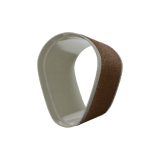
Standard liner
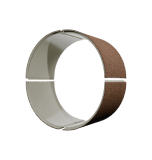
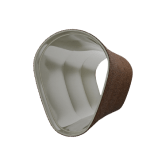




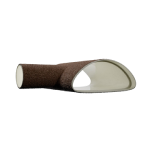






Hydraulic capacity: are you comparing like for like?
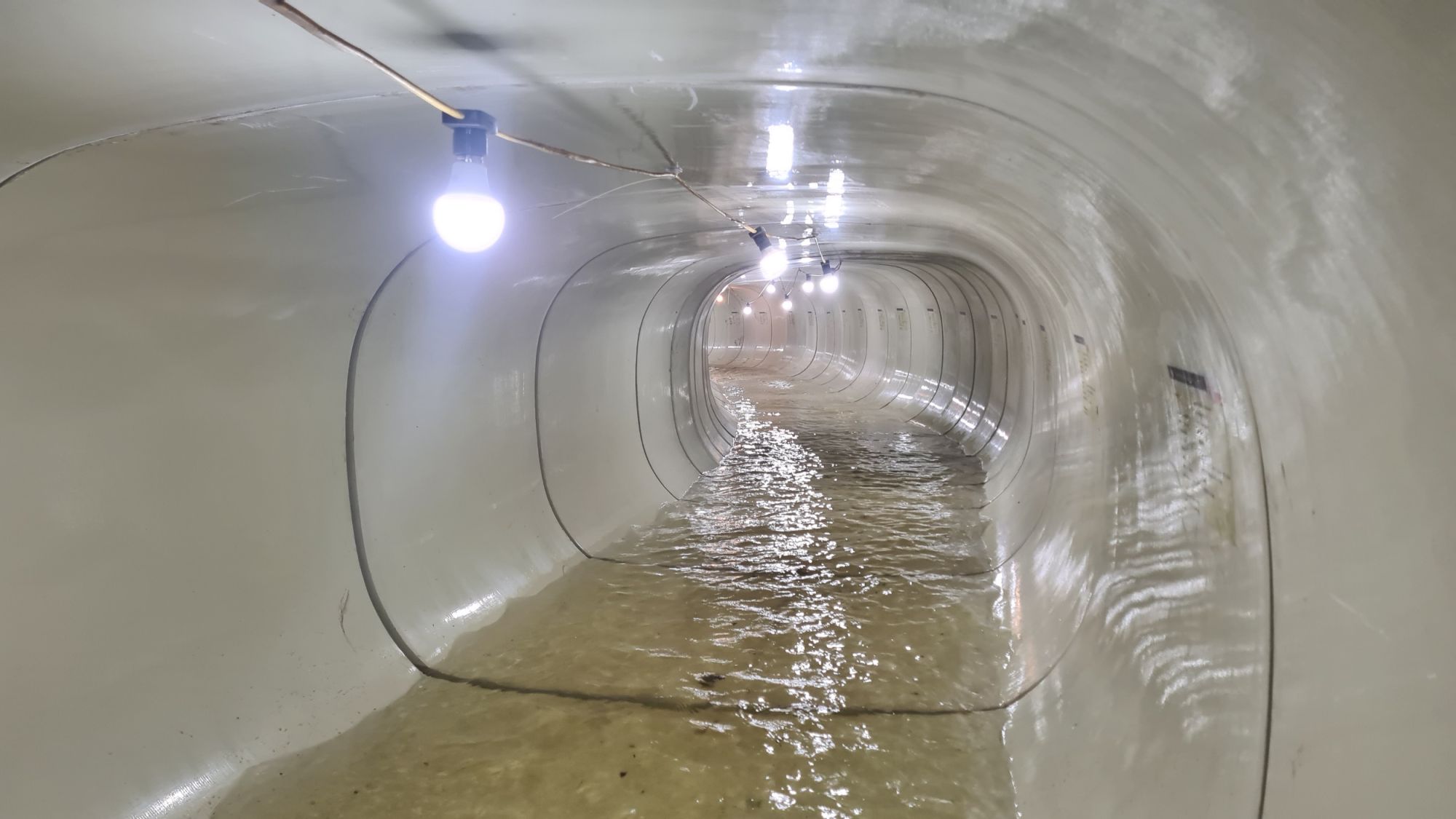
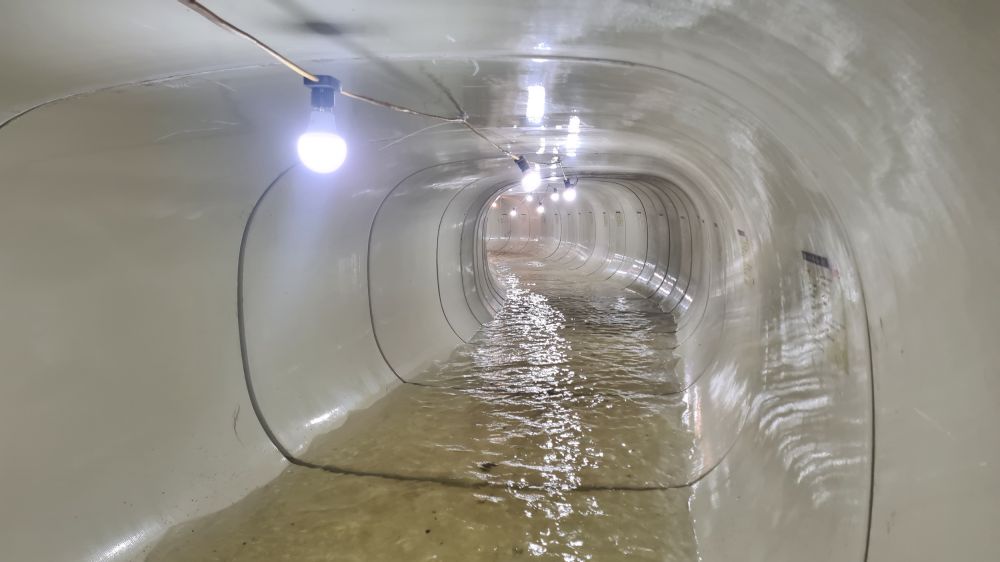
When rehabilitating an existing sewer, culvert or drainage structure, preserving hydraulic capacity is about more than simply fitting a new liner inside an old structure. It is about making sure the rehabilitated asset can continue to perform the job it was designed to do.
Suppliers often present their options as hydraulic capacity diagrams, showing each liner as a percentage of the original structure's capacity. But how do you know whether one liner solution genuinely offers better hydraulic performance than another, and whether the figures in front of you were calculated on the same basis?
Why does hydraulic capacity matter?
Hydraulic capacity describes how much water a structure can convey under a given set of conditions.
In drainage and sewer infrastructure, this is particularly important. Existing structures need to accommodate current flows while remaining capable of meeting future demands. Population growth, urban development and increasingly intense rainfall events can all place additional pressure on drainage networks.
When a structure is rehabilitated, the liner can have a significant influence on its hydraulic performance. The liner material affects the internal surface roughness and resistance to flow, while the liner profile determines how much space is available for water to pass through. A liner that does not closely match the shape of the host structure can reduce the internal cross-sectional area. In a rectangular or box-shaped culvert, for example, a circular or elliptical liner may leave substantial areas of unused space in the corners.
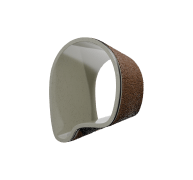
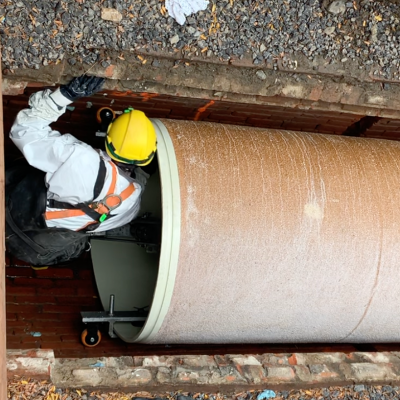
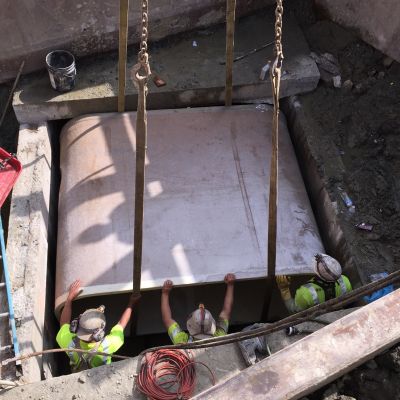
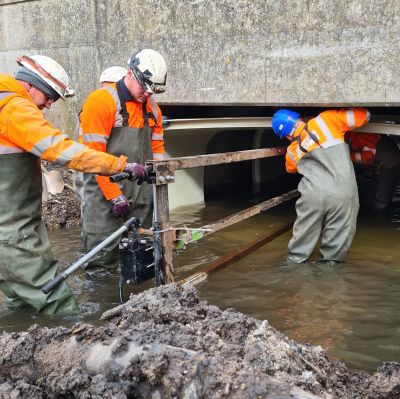
A bespoke liner designed around the host structure's actual profile can help maximise the available internal space and support the hydraulic performance of the rehabilitated asset.
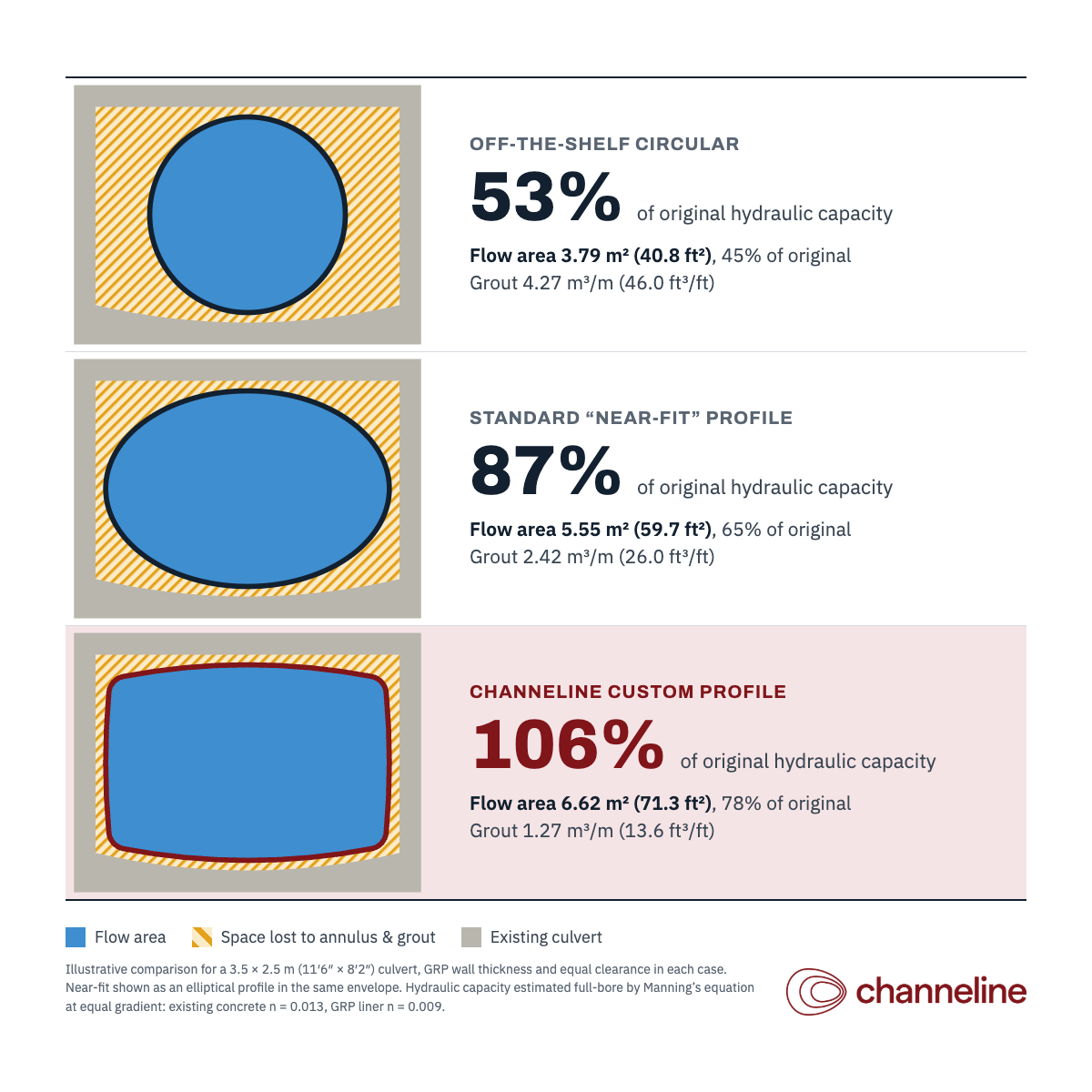
Figure 1: The same culvert lined with three different profiles, all calculated with the same n-value. The difference comes entirely from geometry.
But how is that performance calculated?
Understanding Manning's Equation
Manning's Equation is a widely used formula for estimating how much water can flow through pipes, culverts and channels.
It takes several things into account, including the size and shape of the structure, how smooth or rough its internal surface is, and the gradient of the pipe or channel.
The equation looks like this:
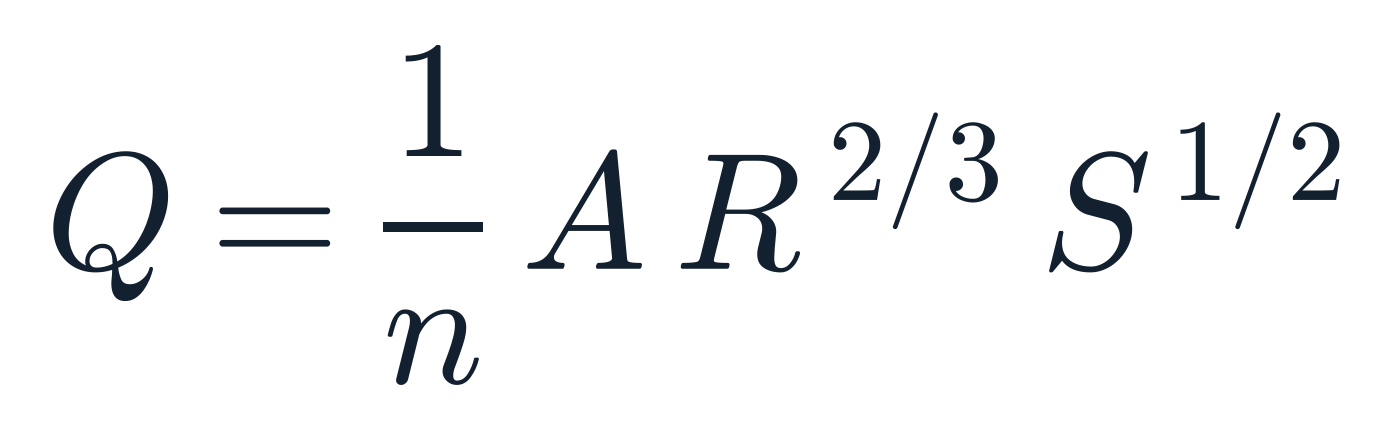
This is the metric (SI) form, with dimensions in metres and flow in m³/s. In US customary units the 1 is replaced by 1.49, with dimensions in feet and flow in ft³/s. The principles in this article apply equally to both.
Although it might look complicated, each part represents a relatively simple factor:
-
Q – Discharge: how much water can pass through the structure.
-
n – Roughness coefficient: how smooth or rough the internal surface is, affecting how easily water can flow.
-
A – Cross-sectional area: the amount of space available for water to flow through.
-
R – Hydraulic radius: the flow area divided by the wetted perimeter, the length of the internal surface in contact with the water.
-
S – Slope: the gradient that helps drive the water through the structure.
In simple terms, Manning's Equation helps engineers understand how much water a structure can carry based on its size, shape, internal surface and gradient.
Why does this matter? Because changing any of these factors can affect the calculated flow capacity. Liner shape is worth singling out: a profile that follows the host structure retains more flow area (A) and a more efficient hydraulic radius (R ), so it benefits twice in the equation. Liner material matters too, through the n-value. This means that both the shape of the liner and the roughness of its internal surface can influence the final hydraulic capacity calculation.
Why the Manning's n-value matters
One of the most important factors to understand when reading hydraulic capacity diagrams is the Manning's roughness coefficient, or n-value.
The n-value represents the resistance to flow created by the internal surface of the structure. Different materials and surface conditions have different roughness characteristics.
Crucially, the n-value sits in the denominator of Manning's Equation. This means that, all other factors remaining equal: a lower n-value produces a higher calculated flow capacity, and a higher n-value produces a lower calculated flow capacity.
For example, if the n-value is reduced by 10%, the calculated flow capacity increases by approximately 11.1%, assuming all other inputs remain unchanged.
This is why two hydraulic capacity diagrams can show different results for the same liner. If different n-values have been used, the calculated capacities will differ, even if the liner dimensions, gradient and other hydraulic inputs are identical.
In the example below, the liner and host structure remain exactly the same. Only the n-value changes, yet the headline capacity figure increases by 16 percentage points.
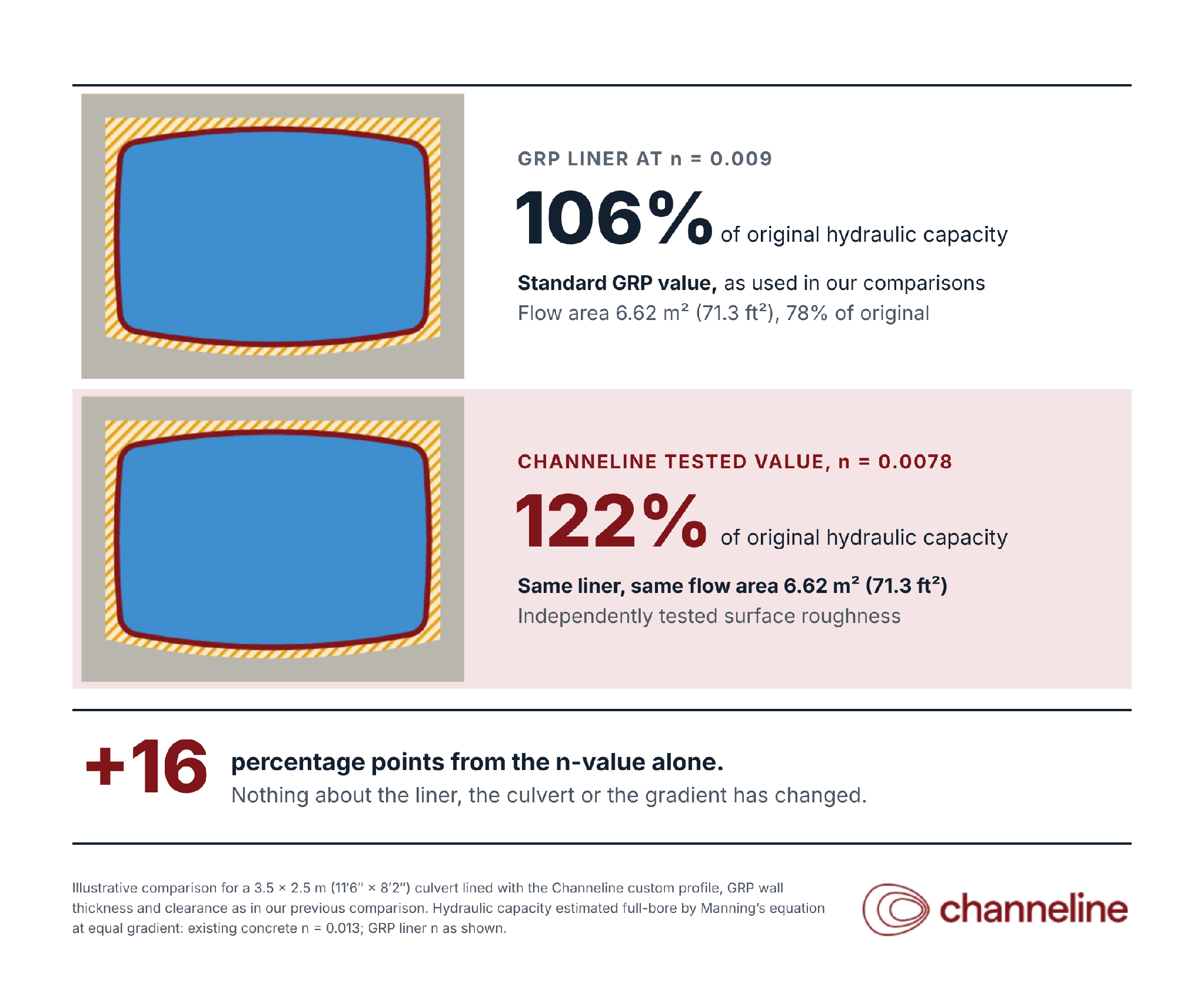
Figure 2: The same liner in the same culvert as Figure 1. Changing only the n-value adds 16 percentage points to the headline figure.
The selected n-value should therefore be appropriate for the material and surface conditions being assessed, and supported by suitable technical evidence.
Why like-for-like comparisons matter
Hydraulic capacity diagrams can be useful, but before accepting the headline percentages, it is worth checking the assumptions behind the figures.
Here are five things to look out for:
1. The original host structure
Are the original dimensions and profile the same? The host structure provides the baseline for the comparison, so it is important to understand exactly what is being assessed, including the n-value assumed for the original structure.
2. The liner geometry
What profile and dimensions are being compared? How much internal cross-sectional area remains once the liner is installed, allowing for the liner wall thickness and the grouted annular gap? A circular or elliptical liner may leave valuable space unused in a rectangular host structure, whereas a bespoke profile can be designed around its geometry.
3. The Manning's n-value
Are the same roughness coefficients being used for each option? A lower n-value can increase calculated capacity independently of liner geometry. If different values are used, the reason should be clearly explained and technically supported.
4. The gradient and flow conditions
Are the calculations based on the same gradient and comparable flow conditions, for example full-bore flow in every case? Differences in these assumptions can also affect the results.
5. The percentage baseline
Is the figure showing capacity as a percentage of the original host structure's capacity, or a percentage increase compared with another liner option? There is an important difference. For example, 106% of original hydraulic capacity means the calculated capacity is 6% higher than the original reference capacity, not a 106% increase.
For a meaningful comparison, the assumptions need to be consistent. If different values are used, they should be clearly stated and supported by appropriate technical evidence.
The same principle applies if your organisation uses the Colebrook-White equation, which describes roughness with a value called ks rather than Manning's n: every option should be assessed with consistent inputs.
What n-value should be used for GRP, and how does Channeline compare?
GRP liners are typically assessed using a Manning's n-value of around 0.009. This value is widely cited in GRP pipe and liner design literature, and it reflects the material itself. GRP liners are factory-manufactured with a dense, resin-rich internal surface that is smooth and non-porous. Unlike concrete, brick or corrugated metal, GRP does not corrode, spall or roughen as it ages, so the surface assumed at design stage is maintained over the life of the asset.
Channeline's GRP liner has been independently tested, achieving a Manning's n-value of 0.0078.
In practical terms, n = 0.0078 is around 13% lower than 0.009. Applying the same principle as earlier in this article, with all other inputs unchanged, that lower n-value corresponds to approximately 15% more calculated flow capacity.
Beyond the n-value
It’s not just the lower n-value that sets Channeline apart. Our liners are custom designed and manufactured to precisely fit the host structure. This maximises the available space for the water to flow through.
So, in keeping with the like-for-like principle, Channeline's hydraulic comparisons use the established GRP value of n = 0.009, the same value applied to other GRP options, rather than our independently tested n = 0.0078.
This is an important distinction. It means that the hydraulic advantage demonstrated in our comparisons comes from the liner's geometry, not from applying a more favourable roughness coefficient.
The independently tested value of 0.0078 provides additional, independently verified potential hydraulic benefit beyond what is already demonstrated in those comparisons.
In other words, we don't need to rely on a lower n-value to demonstrate the benefits of our bespoke liner design. The geometry does the talking.
Making informed decisions for generations to come
Choosing a rehabilitation solution has consequences long after the project is handed over. Infrastructure is built to last, and the choices made today will shape the performance, capacity and longevity of that asset for decades. That's why it's essential to look beyond the headline figures and understand what the numbers really mean.
At Channeline, we believe in transparent, consistent engineering comparisons that consider both liner geometry and the assumptions behind the calculations. Getting the decision right today makes a lasting difference to the infrastructure that future generations will rely on.
Have a rehabilitation project to plan? Talk to Channeline about a bespoke GRP liner designed around your structure.