Standard liner
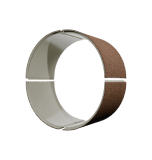
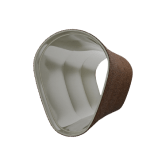
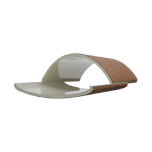
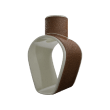
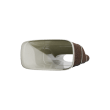
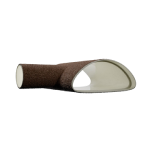
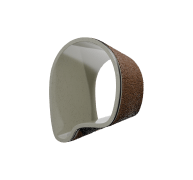


Why cut corners? Why liner profile matters in infrastructure rehabilitation
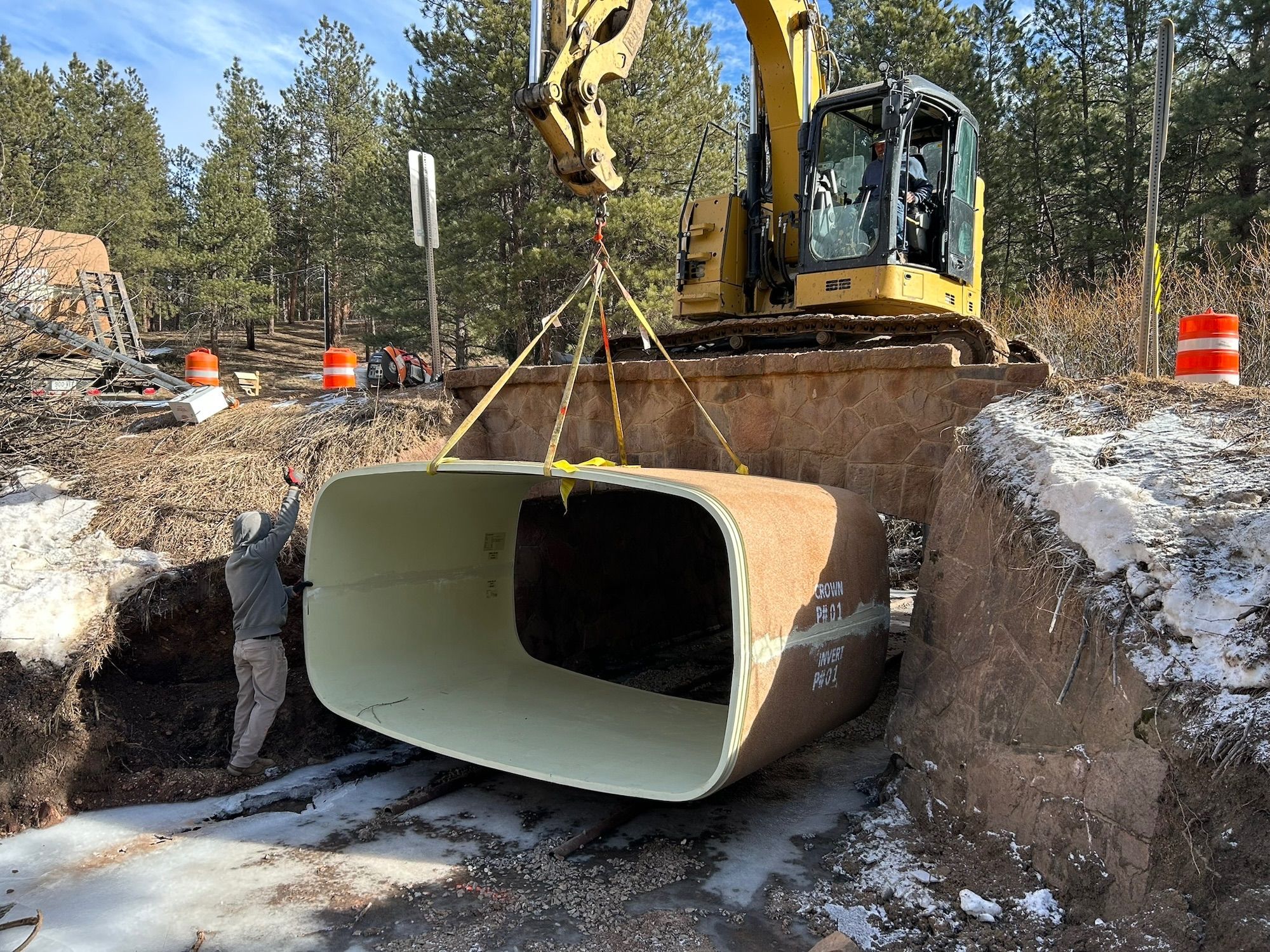
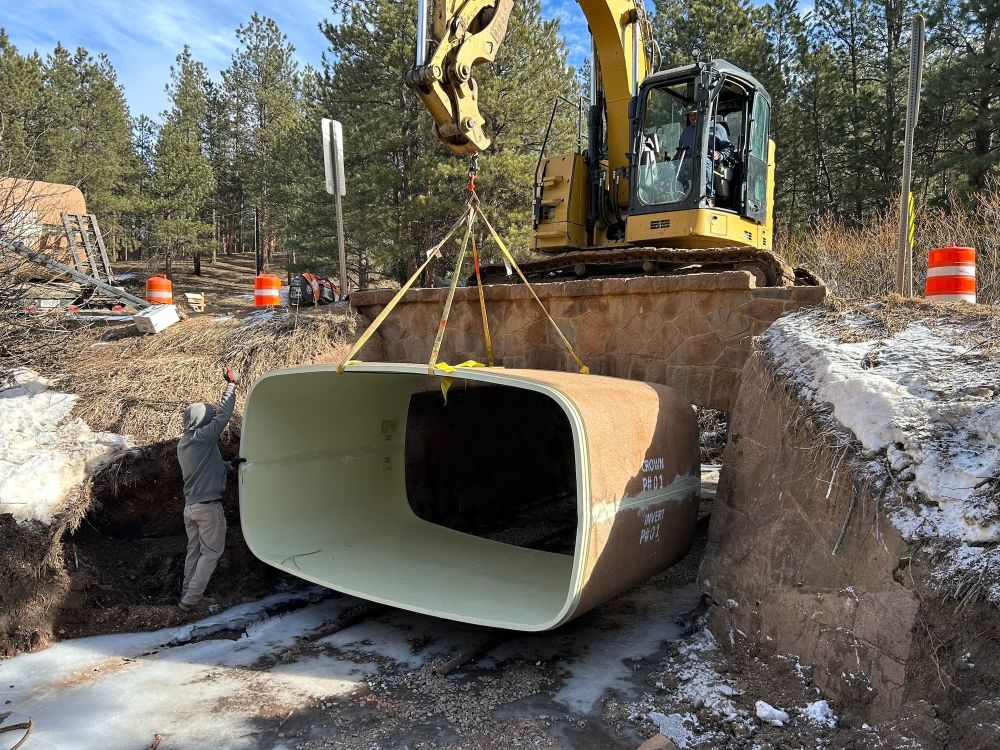
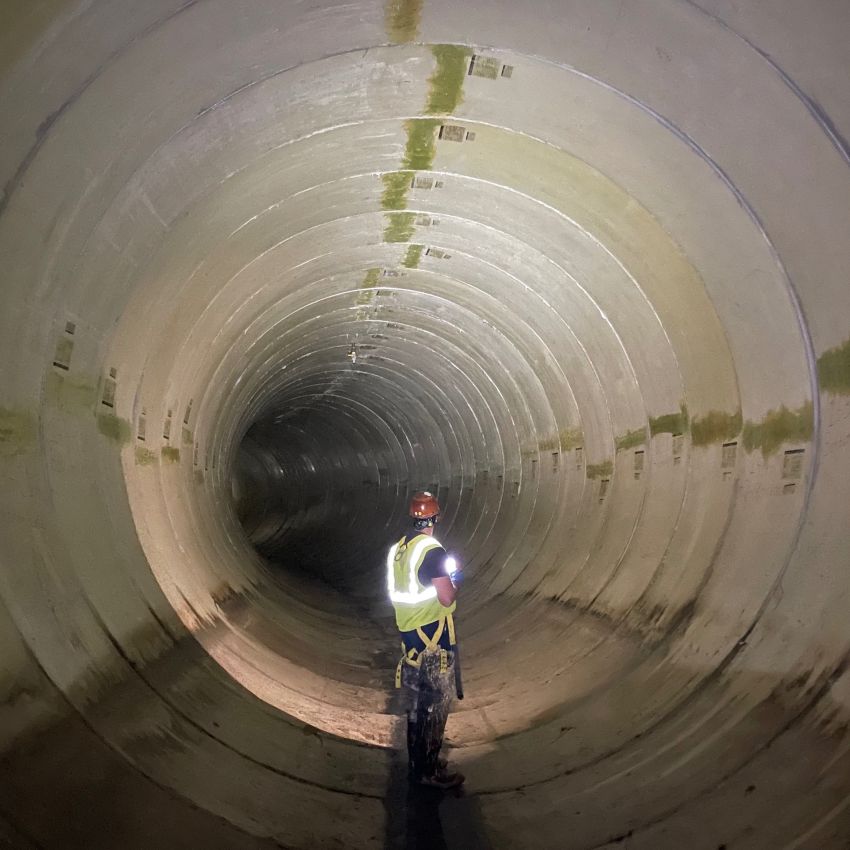
Space within an existing structure is a finite resource, and the profile of a liner determines how much of that space you retain after rehabilitation.
Standard, off-the-shelf liners are manufactured in set shapes and sizes. Fitting one inside an existing host structure may require selecting a smaller liner to accommodate the available dimensions, reducing the internal cross-sectional area.
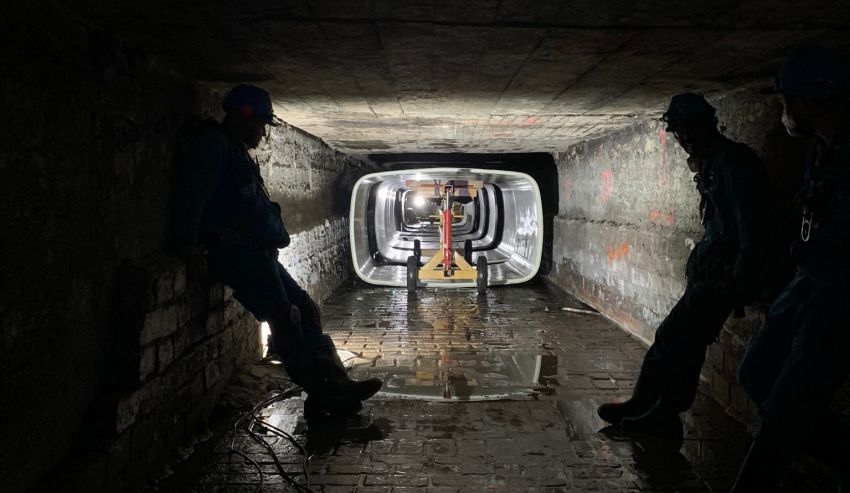
This is particularly significant in non-circular structures, such as box culverts. A circular liner fitted inside a rectangular host must be sized to fit within its narrower dimension, leaving valuable space unused in the corners.
But the compromise isn't limited to off-the-shelf circular products. Near-fit liners can leave substantial space unused too. Constrained by the limitations of a manufacturer's existing moulds and manufacturing processes, these liners may approximate the host structure's profile without truly matching it. In a box culvert, an elliptical ‘near-fit’ liner leaves significant gaps in the corners, sacrificing valuable cross-sectional area.
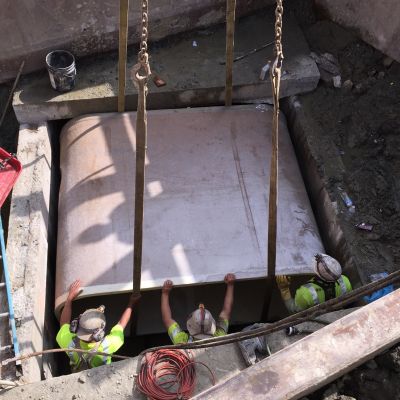
A custom box-profile liner, by comparison, can be designed around the host structure's actual dimensions and geometry, making better use of the available space.
Why does maximising space matter?
The internal cross-sectional area determines how much space is available for water to flow through a culvert or pipeline. Reducing this area reduces hydraulic capacity, as well as leaving a larger annular gap to fill with grout.
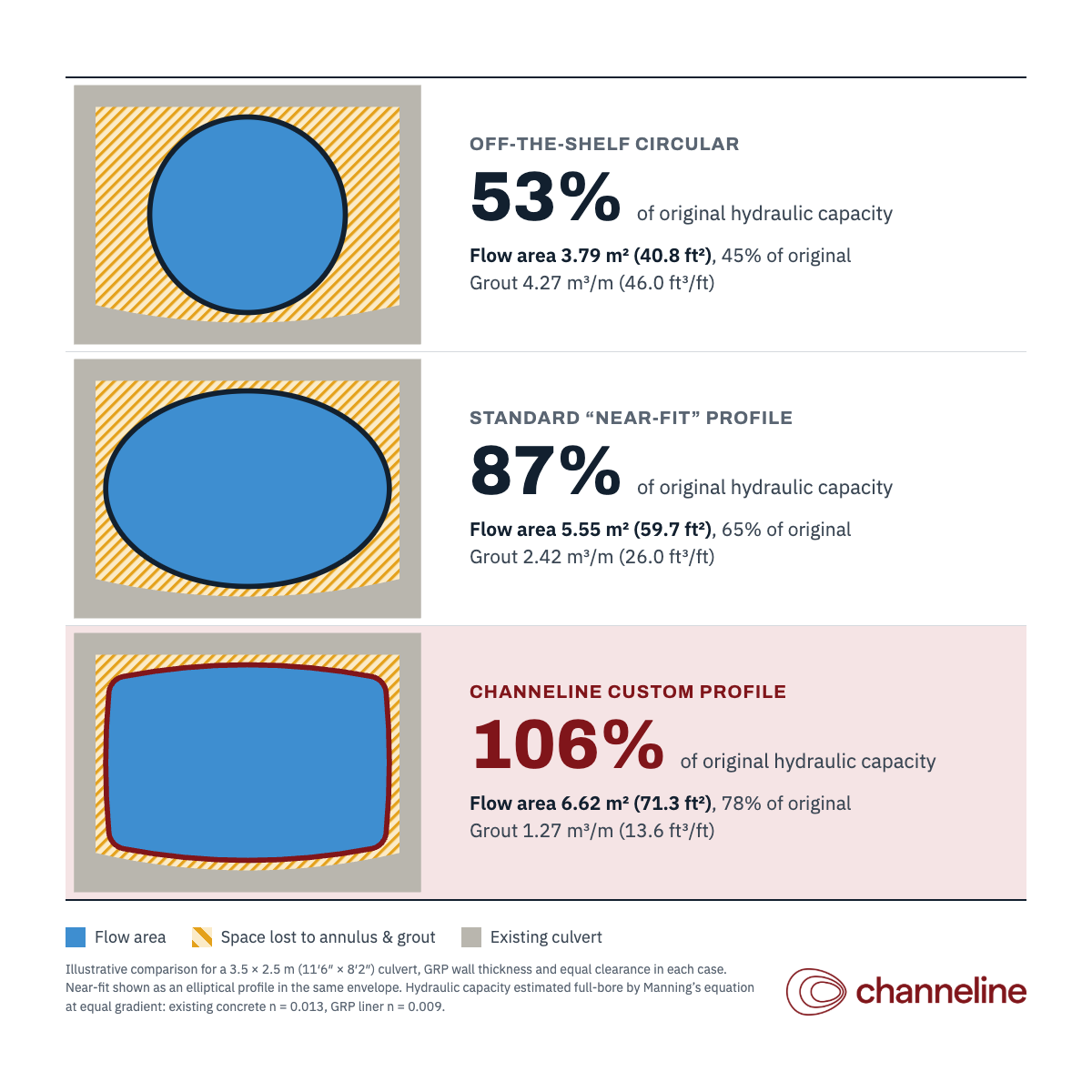
The difference a liner profile makes to hydraulic capacity can be significant. In the example above, a box-shaped host structure, a circular off-the-shelf liner may retain just 53% of the original hydraulic capacity, while a near-fit elliptical liner may retain around 87%.
By contrast, Channeline’s custom liners not only ensure the largest possible cross-sectional area within a host structure, but their materials also ensure optimal internal surface conditions. A custom Channeline box-profile liner in the same box profile can achieve 106% of the original hydraulic capacity. Channeline have even seen hydraulic capacity increase by up to 25% above the original capacity, depending on profile and dimensions.
The right fit doesn't just preserve capacity, it can actually improve it. That’s why liner selection should be about more than simply finding a product that fits inside the host structure.
A compromise that lasts for generations
The consequences of liner selection don't end when installation is complete. The profile, available flow area and hydraulic characteristics of the installed liner influence the structure's performance throughout its service life.
With populations growing, cities expanding and extreme weather events becoming more frequent and intense in many regions, infrastructure faces increasing demands. Unnecessary reductions in hydraulic capacity today can become an even greater concern in the decades ahead.
We don't cut corners
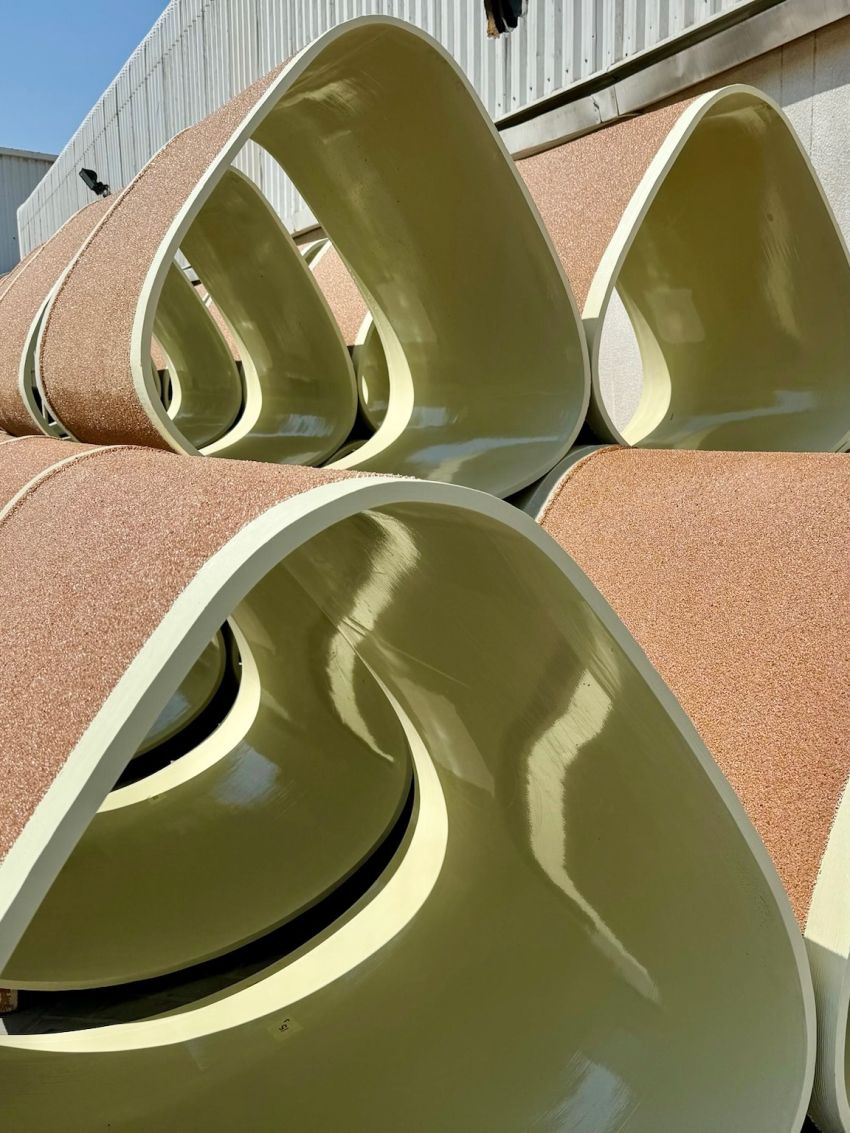
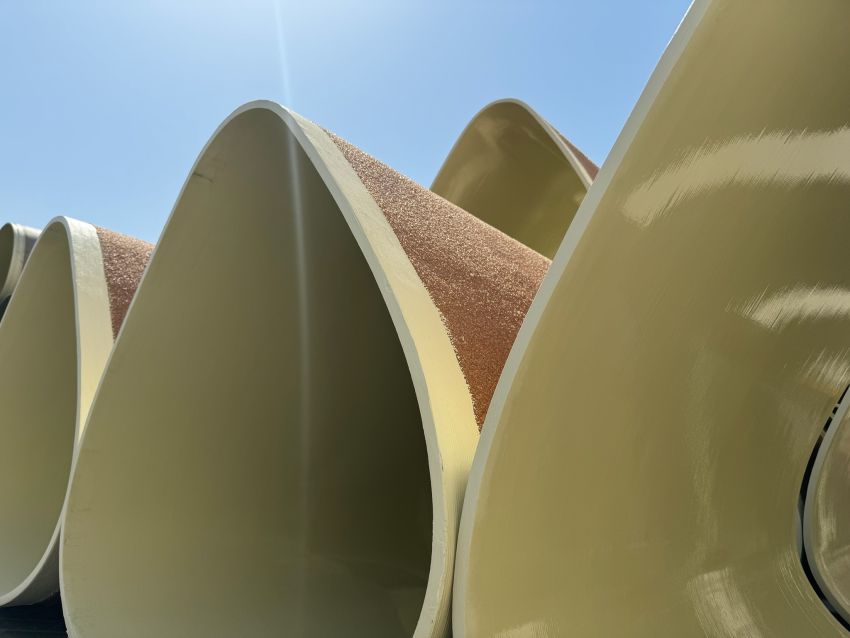
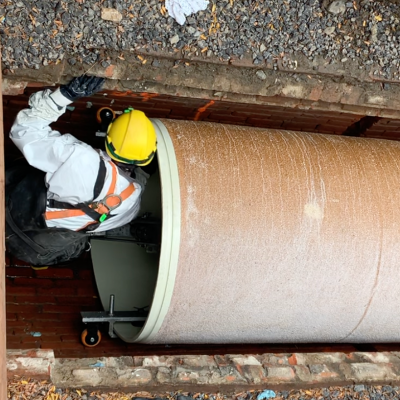
At Channeline, we design and manufacture custom glass-reinforced plastic (GRP) liners to match the profile and dimensions of each host structure. By designing around the structure rather than compromising on fit, we help engineers and asset owners make better use of available space and increase hydraulic performance, ensuring the best possible solution for the next 150 years.
We don't cut corners. You shouldn't have to either.
Have a rehabilitation project to plan? Talk to us about a custom GRP liner designed around your structure. Let's make every inch count.